Safety Sign Guide
Safety signs are legally required visual tools used to warn of hazards, prohibit dangerous actions and provide emergency guidance in UK workplaces. Under the Health and Safety (Safety Signs and Signals) Regulations 1996, employers must provide appropriate signage where risks cannot be controlled by other means.
This guide by Glendining Signs explains:
- The 5 main types of safety signs
- What safety sign colours mean
- UK legal requirements
- Where safety signs must be displayed
- FAQs about workplace signage compliance
At Glendining Signs, we manufacture and supply fully compliant workplace signage for businesses across the UK. This guide explains everything you need to know about choosing and displaying safety signs correctly.
What is a Safety Sign?
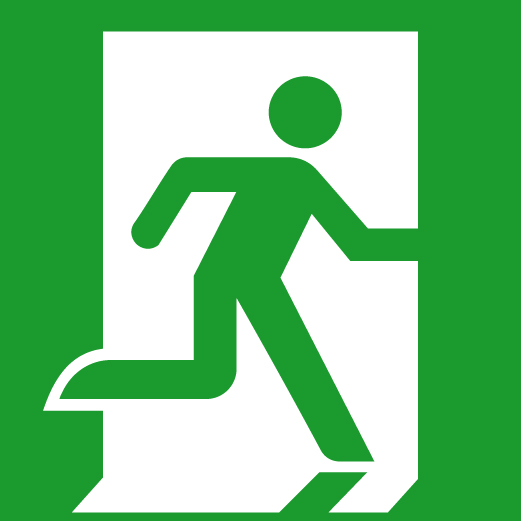
A safety sign provides information or instruction about safety or health at work by means of a combination of shape, colour and a symbol or pictogram which is rendered visible by lighting of sufficient intensity. Signboards may be accompanied by supplementary text, e.g. 'Fire exit', alongside the symbol of a moving person.
The main goal of a safety sign is to:
- Prevent accidents
- Highlight workplace hazards
- Provide emergency instructions
- Ensure legal compliance
What are the 5 Main Types of Safety Signs in the UK?
Under the Health and Safety (Safety Signs and Signals) Regulations 1996, safety signs must follow standard colour and shape conventions so they are immediately recognisable.
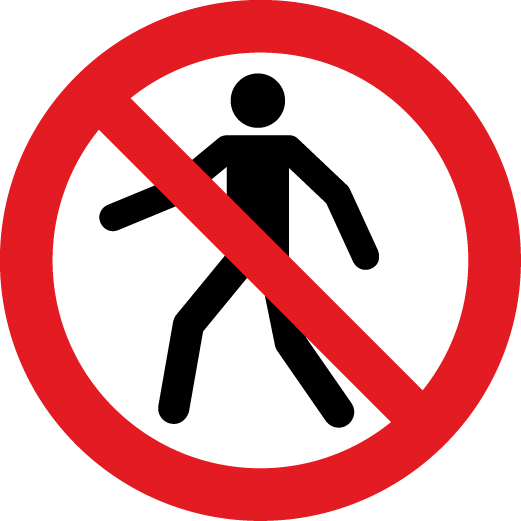
Prohibition Signs (Red Circles)A red circular safety sign means prohibition; something is forbidden because it would create a risk.
Examples: Prohibition Signs |
|
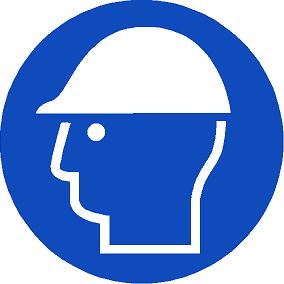
Mandatory Signs (Blue Circles)A blue circular safety sign means mandatory action. You must follow the instructions shown.
Examples: Mandatory Signs |
|
|
||
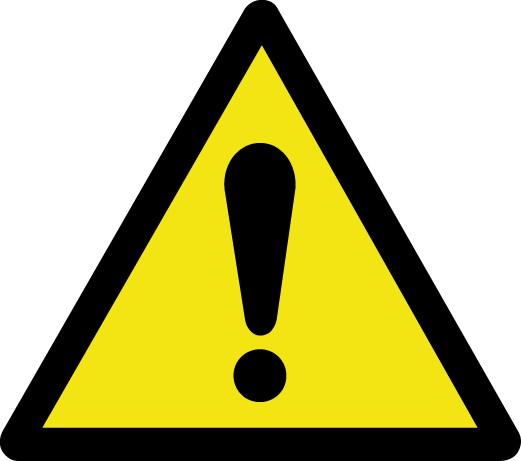
Warning SignsA yellow triangular sign indicates that a hazard or danger is present.
Examples: Warning Signs |
|
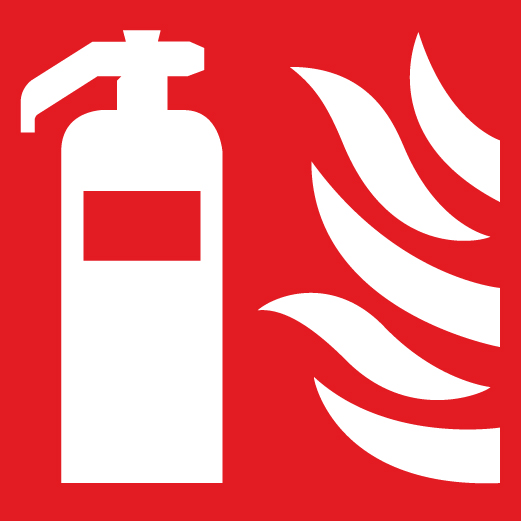
Fire Equipment SignsA red rectangular or square sign identifies the location of fire equipment.
Example: Fire Safety Signs |
|
|
||
Safe Condition SignsA green rectangular or square sign identifies a safe condition, emergency route, or first aid location. Green signs are critical during evacuations, as people instinctively look for green signage to find safe routes.
Examples Fire Exit Signs First Aid Signs |
||
Why do shape and colour matter in safety signage?
Safety signs are designed for instant recognition, even at a distance or in low visibility. The combination of
- Colour psychology
- Standardised shapes
- Simple pictograms
ensures they can be understood quickly, even without reading text. This standardisation supports compliance with the Health and Safety (Safety Signs and Signals) Regulations 1996 and guidance from the Health and Safety Executive.
Are Safety Signs a Legal Requirement in the UK?
Yes. Under the Health and Safety (Safety Signs and Signals) Regulations 1996, employers must:
- Provide safety signs where risks remain
- Ensure signs are clear and visible
- Maintain signs in good condition
- Avoid excessive signage that causes confusion
- Use recognised symbols and colours
Failure to comply can lead to enforcement action from the Health and Safety Executive.
Where Must Safety Sign’s be Displayed?
Safety signs should be:
- Clearly visible
- Well-lit
- Positioned at eye level where possible
- Free from obstruction
- Placed near the hazard or safety equipment
Employers must conduct a risk assessment to determine signage needs.
Choosing the Right Safety Signs for your Environment
When ordering from Glendining Signs, consider these factors to ensure durability and effectiveness:
- The specific hazard or requirement
- Indoor or outdoor use
- Required material (self-adhesive, rigid plastic, aluminium, etc.)
- Size and viewing distance
- Illumination or photoluminescent requirements
Glendining Signs offers a full range of compliant UK safety signs, including custom signage tailored to your workplace.
Need help with Safety Signs?
If you’re unsure which safety signs your business requires, our team can help. At Glendining Signs, we combine decades of manufacturing experience with up-to-date regulatory knowledge to ensure your workplace remains safe, compliant and clearly signposted.
Contact us today for expert advice or to discuss your signage requirements.